
Vision Starts with Nutrition
Discover how the right foods can enhance and protect your eyesight naturally. Learn about the science of eye nutrition and build your path to clearer vision.
The information on this site is for educational purposes only and does not constitute medical advice. Always consult a qualified healthcare professional before making health decisions.

Why Nutrients Matter for Eye Health
Your eyes are constantly working to focus, process light, and send signals to your brain. This intensive work relies on specific nutrients that protect delicate tissues, maintain clarity, and support long-term vision performance. Without adequate nutrition, your eyes can experience strain, fatigue, and age-related vision changes.
Key nutrients like lutein, zeaxanthin, vitamins A, C, and E, zinc, and omega-3 fatty acids work together to shield your eyes from oxidative stress, reduce inflammation, and maintain the health of the retina and lens. By choosing the right foods, you invest directly in your visual future.
- Protects retinal health: Antioxidants shield the macula from age-related changes.
- Reduces eye strain: Proper nutrients support sustainable focus and visual comfort.
- Enhances clarity: Nutrients maintain lens transparency and corneal health.
- Supports circulation: Omega-3s improve blood flow to the eyes.
Power Foods for Better Vision
Six nutrient-dense foods that deliver maximum eye-health benefits
Leafy Greens
Spinach, kale, and collard greens contain lutein and zeaxanthin—the primary protective pigments in the macula. These compounds absorb harmful blue light and reduce oxidative stress.
- Key benefit: Reduces glare sensitivity
- Best form: Raw or lightly steamed
- Daily serving: 1 cup cooked
Fatty Fish
Salmon, mackerel, and sardines provide omega-3 fatty acids that support retinal function and improve tear production. These essential fats reduce inflammation in eye tissues.
- Key benefit: Supports retinal health
- Best form: Fresh or grilled
- Weekly serving: 2–3 portions
Colorful Berries
Blueberries, blackberries, and cranberries are packed with anthocyanins—powerful antioxidants that protect eye cells and improve night vision. Natural compounds fight age-related decline.
- Key benefit: Enhances night vision
- Best form: Fresh or frozen
- Daily serving: ½–1 cup
Orange Vegetables
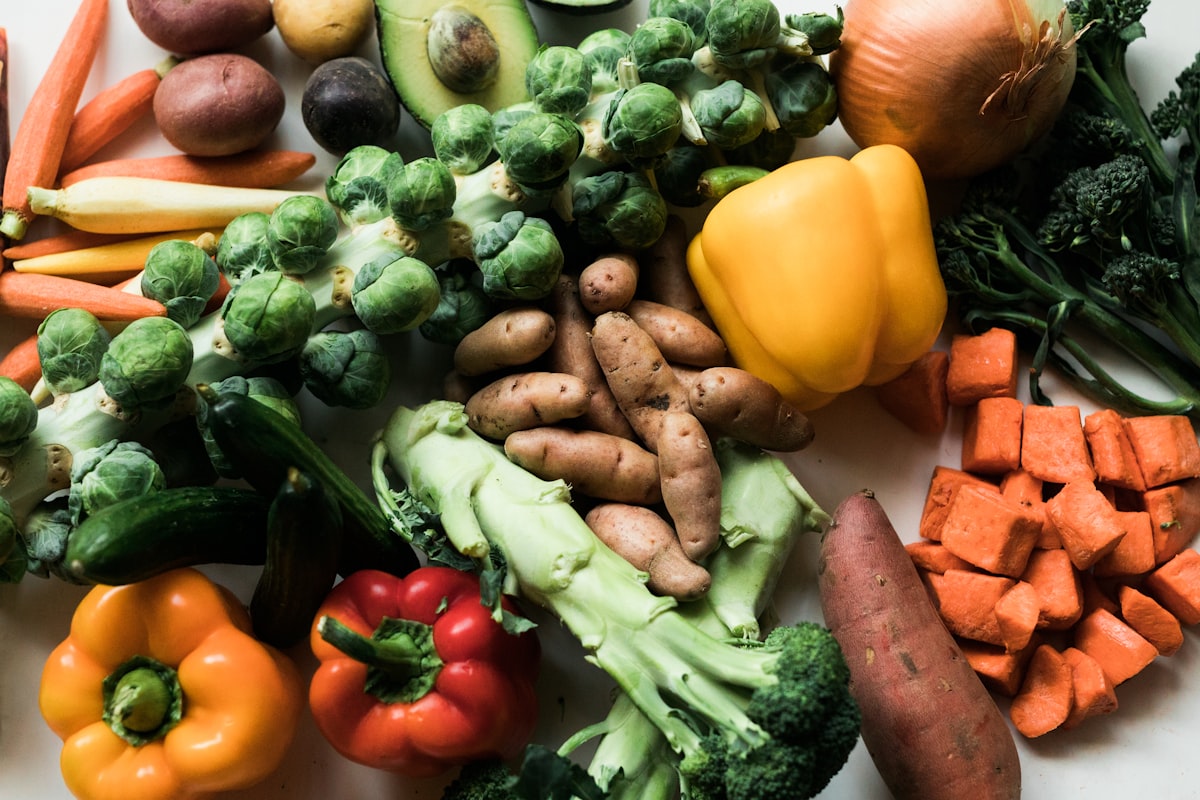
Carrots, sweet potatoes, and pumpkin contain beta-carotene, converted to vitamin A in your body. This vitamin is essential for rod function and low-light vision adaptation.
- Key benefit: Supports low-light vision
- Best form: Roasted or raw
- Daily serving: ½–1 medium
Nuts and Seeds
Almonds, walnuts, and sunflower seeds deliver vitamin E and selenium. These powerful antioxidants protect cell membranes in the eye and reduce the impact of oxidative aging.
- Key benefit: Antioxidant protection
- Best form: Raw or lightly roasted
- Daily serving: 1 ounce (handful)
Eggs
Egg yolks contain lutein, zeaxanthin, and choline. The high bioavailability of these nutrients in eggs makes them one of the most efficient sources for eye nutrition. Easy to prepare daily.
- Key benefit: Complete eye nutrient profile
- Best form: Boiled or poached
- Daily serving: 1–2 eggs
Key Nutrients and Their Functions
| Nutrient | Primary Function | Top Food Sources | Daily Target |
|---|---|---|---|
| Lutein | Protects macula; reduces blue light damage | Spinach, kale, broccoli | 6–10 mg |
| Zeaxanthin | Works with lutein; supports central vision | Kale, corn, eggs | 2–4 mg |
| Vitamin A | Essential for rod function and night vision | Sweet potato, carrots, liver | 700–900 mcg |
| Vitamin C | Antioxidant; supports lens transparency | Orange, kiwi, bell pepper | 75–90 mg |
| Vitamin E | Protects cell membranes from oxidative stress | Almonds, sunflower seeds | 15 mg |
| Zinc | Supports retina and choroid layer function | Oysters, beef, chickpeas | 8–11 mg |
| Omega-3 Fatty Acids | Reduces inflammation; supports retinal health | Salmon, flax seeds, walnuts | 1–2 grams |
Your Journey to Healthier Eyes
A simple four-step approach to nutritional eye care
Assess Your Current Diet
Begin by evaluating what you currently eat. Take note of how often you consume eye-friendly foods like leafy greens, fatty fish, berries, and eggs. Are you getting enough colorful vegetables and healthy fats? Understanding your baseline helps you identify gaps and plan realistic additions to your meals.
Action: Track your meals for one week and identify which power foods you rarely or never eat.
Set Realistic Nutrition Goals
Rather than overhauling your diet overnight, add one or two eye-healthy foods per week. For example, start by adding spinach to your breakfast smoothie, then introduce salmon twice weekly, then add berries as snacks. Small, incremental changes build sustainable habits and allow your body to adapt.
Action: Choose two foods to focus on this month. Plan specific meals where you'll include them.
Build Your Eye-Healthy Meal Plan
Create simple daily or weekly meal combinations that naturally include power foods. Aim for variety: at least one leafy green, one source of omega-3s, one orange vegetable, one serving of berries, and one source of antioxidants (nuts, eggs, or dark chocolate). Keep recipes simple—roasted vegetables, grilled fish, and smoothies are quick and effective.
Action: Design three breakfast, lunch, and dinner options. Write them down and post them in your kitchen.
Monitor Progress and Adjust
After two to four weeks, evaluate how you feel. Are you experiencing less eye strain during screen time? Better night vision? Improved focus? Use these observations to reinforce what's working and adjust foods that don't fit your routine. Consistency matters more than perfection—steady nutrition practices deliver better results than sporadic efforts.
Action: Keep a simple journal noting energy, eye comfort, and any vision changes. Review monthly.
Common Questions About Eye Nutrition
What Our Clients Say
Real stories from people who transformed their eye health with nutrition.
"After following the nutritional guidelines from Naringslaraforman, my vision clarity improved within three months. The detailed food lists made it so easy to incorporate lutein-rich foods into my daily meals."
Maria Bergström
Stockholm, Sweden
"I spend 10 hours daily on screens. The eye-health nutrition plan reduced my digital eye strain significantly. I actually feel less tired at the end of the workday."
Erik Lundgren
Gothenburg, Sweden
"The science-backed approach resonated with me. Every recommendation came with research backing it. My optometrist even noticed improvements in my eye health metrics."
Annika Svensson
Malmö, Sweden
Frequently Asked Questions
How long before I see improvement in my vision?
Most people notice improved eye comfort and reduced strain within 4–6 weeks of consistent nutritional changes. Vision clarity improvements may take 2–3 months as the antioxidants accumulate in the macula. Individual results vary based on baseline health and adherence to recommendations.
Can supplements replace a healthy diet?
Whole foods contain fiber, minerals, and phytonutrients that supplements cannot fully replicate. Supplements are a complement to nutrition, not a replacement. Aim for 80% of your nutrients from food and use supplements to fill specific gaps.
Are these recommendations suitable for all ages?
The core principles of antioxidant-rich nutrition and blue light protection apply across ages. However, children have different nutritional requirements than adults, and older adults may need adjusted portions. Consult with a healthcare provider for personalized guidance based on age and health status.
What if I have dietary restrictions or allergies?
Most eye-health nutrients have multiple food sources. We provide alternatives for common restrictions: vegan sources of zeaxanthin (dark leafy greens), nut-free sources of vitamin E (seeds and fish), and omega-3 options for those avoiding fish. Contact our team for a personalized plan.
Does this approach work for existing eye conditions?
Nutritional support is most effective for prevention and slowing progression of age-related conditions. If you have diagnosed eye disease (glaucoma, diabetic retinopathy, macular degeneration), nutrition is complementary to medical treatment. Always work with your eye care specialist alongside dietary changes.