
Nourish Your Vision with Intentional Nutrition
Discover how the right foods and nutrients can support your eye health naturally. Learn from our editorial experts about the connection between nutrition and clearer, healthier vision.
The information on this site is for educational purposes only and does not constitute medical advice. Always consult a qualified healthcare professional before making health decisions.
Why Nutrition Matters for Your Eyes
of your eye relies on nutrients
Lutein, zeaxanthin, and vitamins are essential for maintaining vision
key nutrients explored
We document the science behind vitamins and minerals for visual wellness
foods catalogued
A comprehensive guide to nutrient-dense foods for better eyesight
expert articles
In-depth research and practical guidance from our editorial team
Top 5 Foods for Optimal Eyesight
Leafy Greens
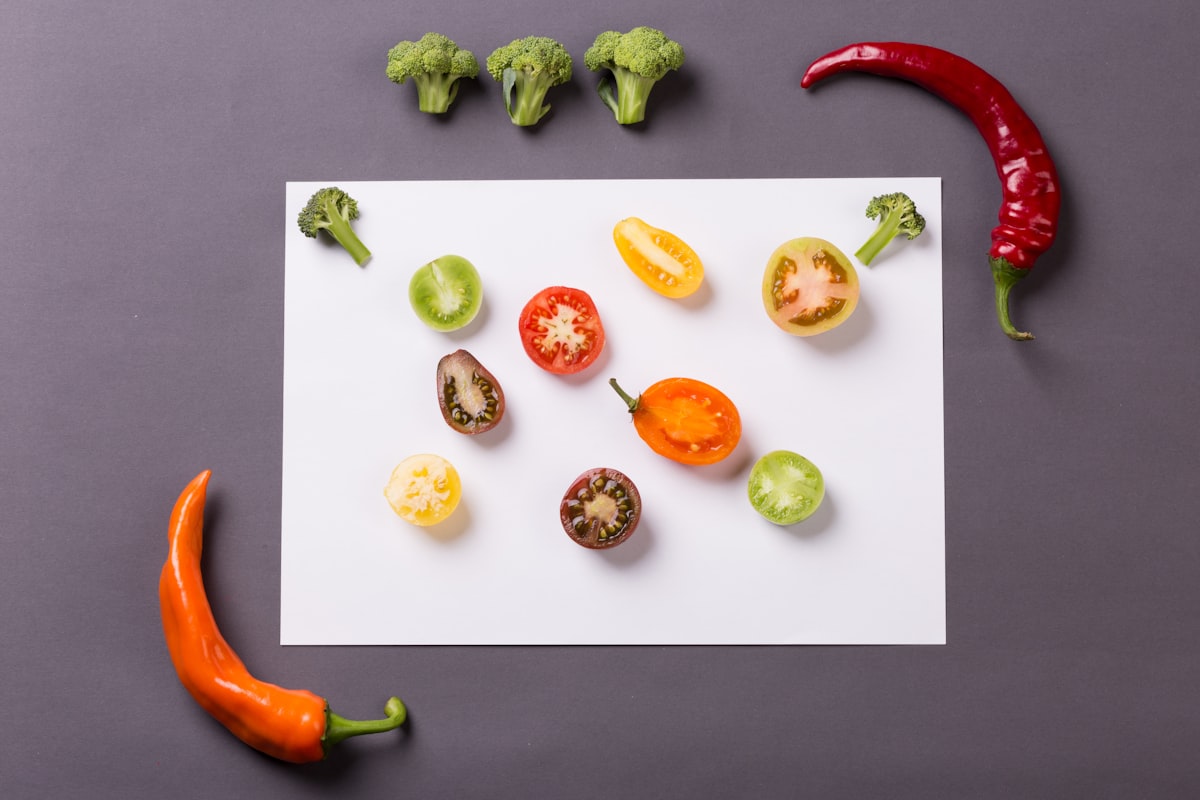
Spinach, kale, and collard greens are rich in lutein and zeaxanthin—powerful antioxidants that filter harmful blue light and reduce age-related vision changes.
Key nutrients: Lutein, zeaxanthin, vitamin C, folate
Fatty Fish
Salmon, sardines, and mackerel contain omega-3 fatty acids that support retinal function and reduce inflammation in the eyes and throughout the body.
Key nutrients: Omega-3 fatty acids, DHA, EPA, vitamin D
Colorful Berries
Blueberries, blackberries, and goji berries deliver anthocyanins and antioxidants that protect eye cells from oxidative stress and may enhance night vision.
Key nutrients: Anthocyanins, vitamin C, antioxidants
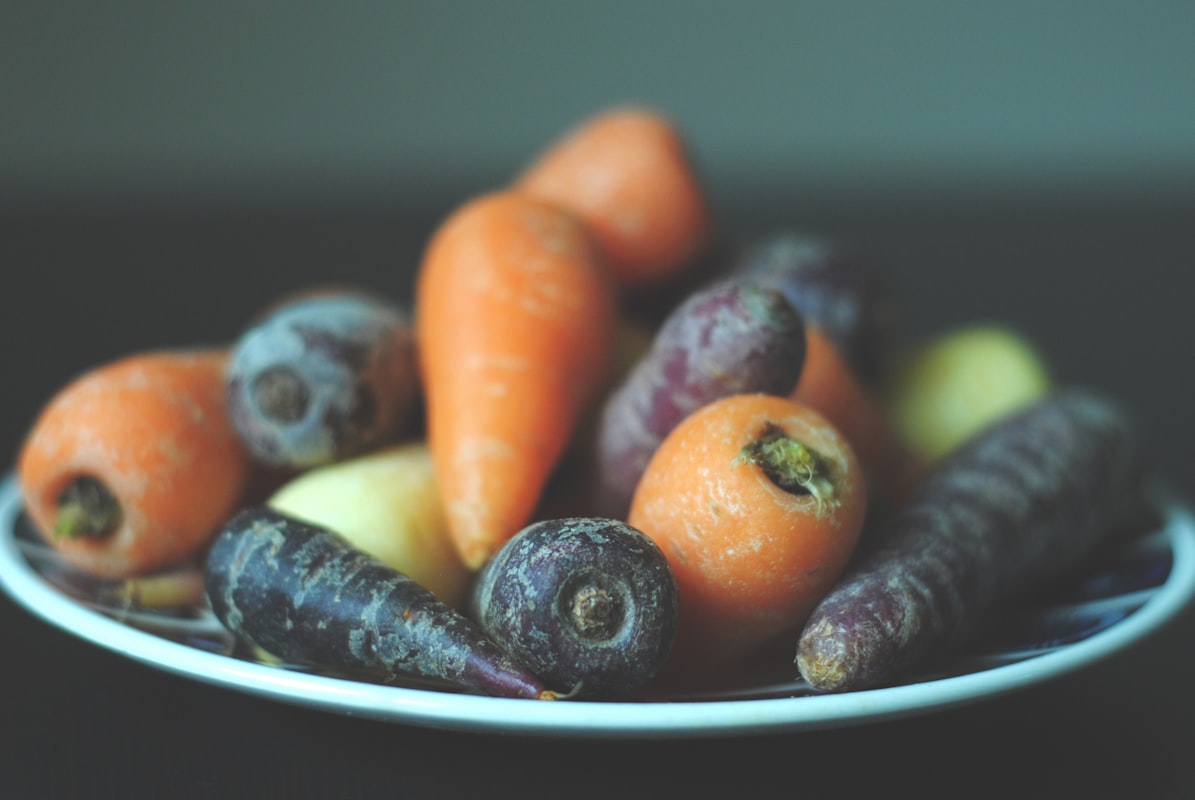
Orange & Yellow Vegetables
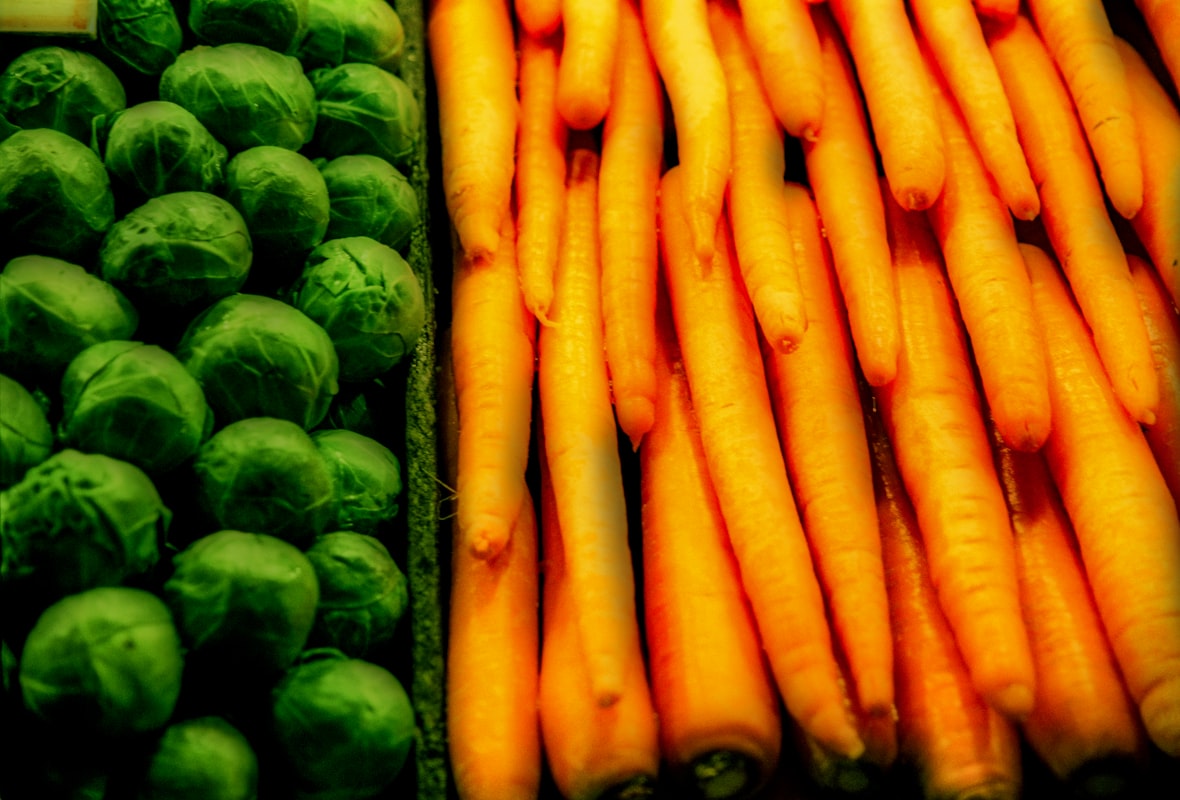
Carrots, sweet potatoes, and butternut squash are packed with beta-carotene, which converts to vitamin A—essential for light perception and visual acuity.
Key nutrients: Beta-carotene, vitamin A, potassium

Nuts & Seeds
Almonds, sunflower seeds, and walnuts provide vitamin E and zinc—minerals that protect eye cells and may slow age-related vision decline.
Key nutrients: Vitamin E, zinc, omega-3 oils
Eggs
Eggs are among the best sources of lutein and contain choline, which supports retinal health and may improve visual processing and memory functions.
Key nutrients: Lutein, zeaxanthin, choline, vitamin D
Your 30-Day Vision Improvement Journey
Days 1-7: Learn Your Baseline
Start by reading our comprehensive nutrient guide to understand which vitamins and minerals matter most for your eyes. Assess your current diet and identify gaps in eye-supporting nutrients. Keep a simple food journal to track what you eat daily.
Focus: Education, awareness, planning
Days 8-14: Start Small Changes
Introduce one food category per day—begin with leafy greens, then add fatty fish, berries, and colorful vegetables to your meals. Explore our eye foods article for practical meal ideas and recipes. Notice how you feel and any subtle changes in vision clarity or eye comfort.
Focus: Gradual dietary integration, observation
Days 15-25: Build Consistency
By this phase, aim to include at least three eye-supporting foods in your daily meals. Read articles on hydration, screen time management, and lifestyle factors that support vision. Consider adjusting portion sizes and meal timing to maximize nutrient absorption.
Focus: Habit building, comprehensive approach
Days 26-30: Reflect & Sustain
Revisit your food journal and note any improvements—clearer focus, reduced eye strain, better color perception. Share your journey with our community by exploring our contact page. Plan how to maintain these nutritional habits for long-term eye wellness.
Focus: Assessment, long-term planning, community connection
What Our Readers Say
"The articles on nutrient-rich foods have been eye-opening—literally! I've incorporated leafy greens and fatty fish into my diet daily, and I've noticed sharper vision when reading and better focus throughout the day. *Individual results may vary. The 30-day guide is practical and easy to follow."
Siti Rahman
Jakarta, Indonesia
"I was skeptical at first, but Naringslaraforman's research is thorough and evidence-based. The nutrient guide explains the science clearly without being overwhelming. I've changed my breakfast routine to include omega-3-rich foods, and my eye strain from computer work has definitely improved."
Budi Hartono
Bandung, Indonesia
"My entire family has benefited from the eye foods article. We now include colorful vegetables and berries in almost every meal. The article on beta-carotene was particularly helpful in understanding why carrots matter. Highly recommend for anyone serious about natural eye wellness."
Dewi Kusuma
Surabaya, Indonesia
"As someone who works long hours at a desk, I was looking for natural ways to support my eye health. This platform's comprehensive approach to nutrition for vision has been a game-changer. The step-by-step guides and food lists make it so easy to take action immediately."
Ahmad Wijaya
Yogyakarta, Indonesia
Frequently Asked Questions
Most readers report subtle improvements within 2-3 weeks of consistently eating nutrient-rich foods. Changes like clearer focus, reduced eye strain, or better color perception may develop gradually. Individual results vary based on starting diet, age, and overall wellness habits. Our 30-day guide is designed to build habits that support long-term vision wellness rather than promise immediate results.
No strict diet plan is required. Our approach is flexible—you simply integrate more eye-supporting foods into whatever dietary pattern works for you. Whether you eat omnivore, vegetarian, or vegan, we provide options in our nutrient guide. The goal is to add variety and nutrient density to your current meals, not to overhaul your entire diet overnight.
Our editorial focus is on foods to include rather than restrict. That said, reducing excessive sugar, processed oils, and highly processed foods may support overall wellness including eye health. Our articles discuss inflammation and its role in eye wellness. We recommend reading our complete nutrient guide for detailed information on how different foods affect your body's antioxidant and inflammatory responses.
Nutrition is one important pillar of eye wellness. Our platform emphasizes that proper nutrition works best alongside other healthy habits: adequate sleep, reduced screen strain, UV protection, and regular eye care. We provide comprehensive articles exploring how multiple lifestyle factors support vision wellness, not just diet alone.
The foods we recommend—leafy greens, fish, berries, nuts, eggs—are whole foods commonly enjoyed worldwide. However, individual tolerances vary. If you have allergies, specific sensitivities, or take medications that interact with certain foods, please consult relevant health professionals before making major dietary changes. Our articles are educational and informational in nature, not personalized medical advice.
Absolutely. The 30-day framework is a suggested timeline, but you can move at your own pace. Some readers prefer to spend 2-3 weeks on the learning phase, while others jump into implementation faster. The beauty of our educational approach is that you can adapt the journey to fit your lifestyle, work schedule, and personal preferences while still gaining the knowledge and benefits.
Ready to Learn More?
Explore our comprehensive collection of articles, guides, and nutritional insights designed to help you make informed decisions about eating right for better eyesight. Our editorial team is dedicated to bringing you evidence-based information and practical guidance.
Subscribe to Our Newsletter
Get the latest articles, nutrition tips, and eye wellness insights delivered to your inbox. Join our community of readers committed to seeing the world more clearly.
We respect your privacy. Unsubscribe anytime. View our privacy policy.